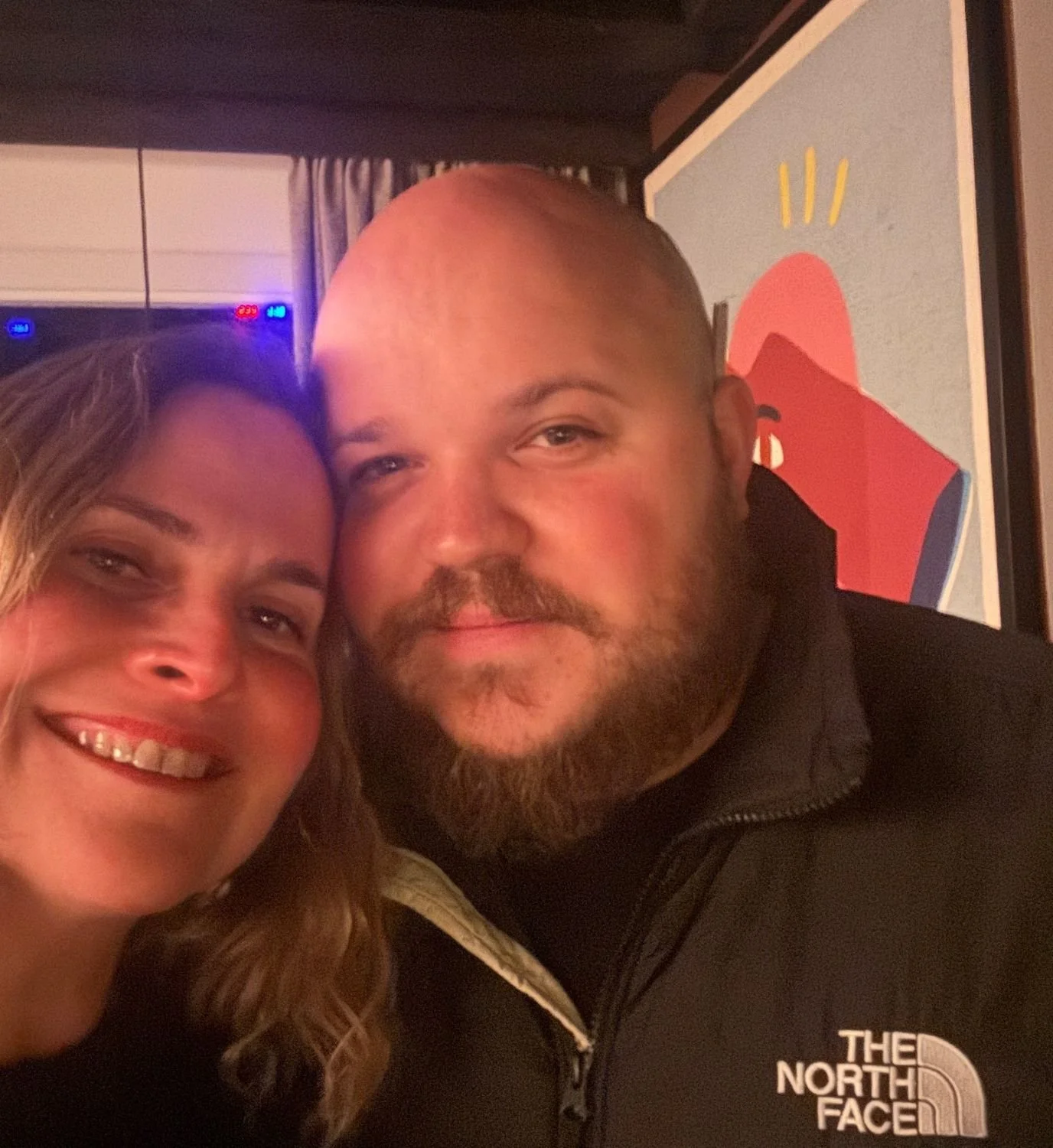
A conversation with Jan Clemens
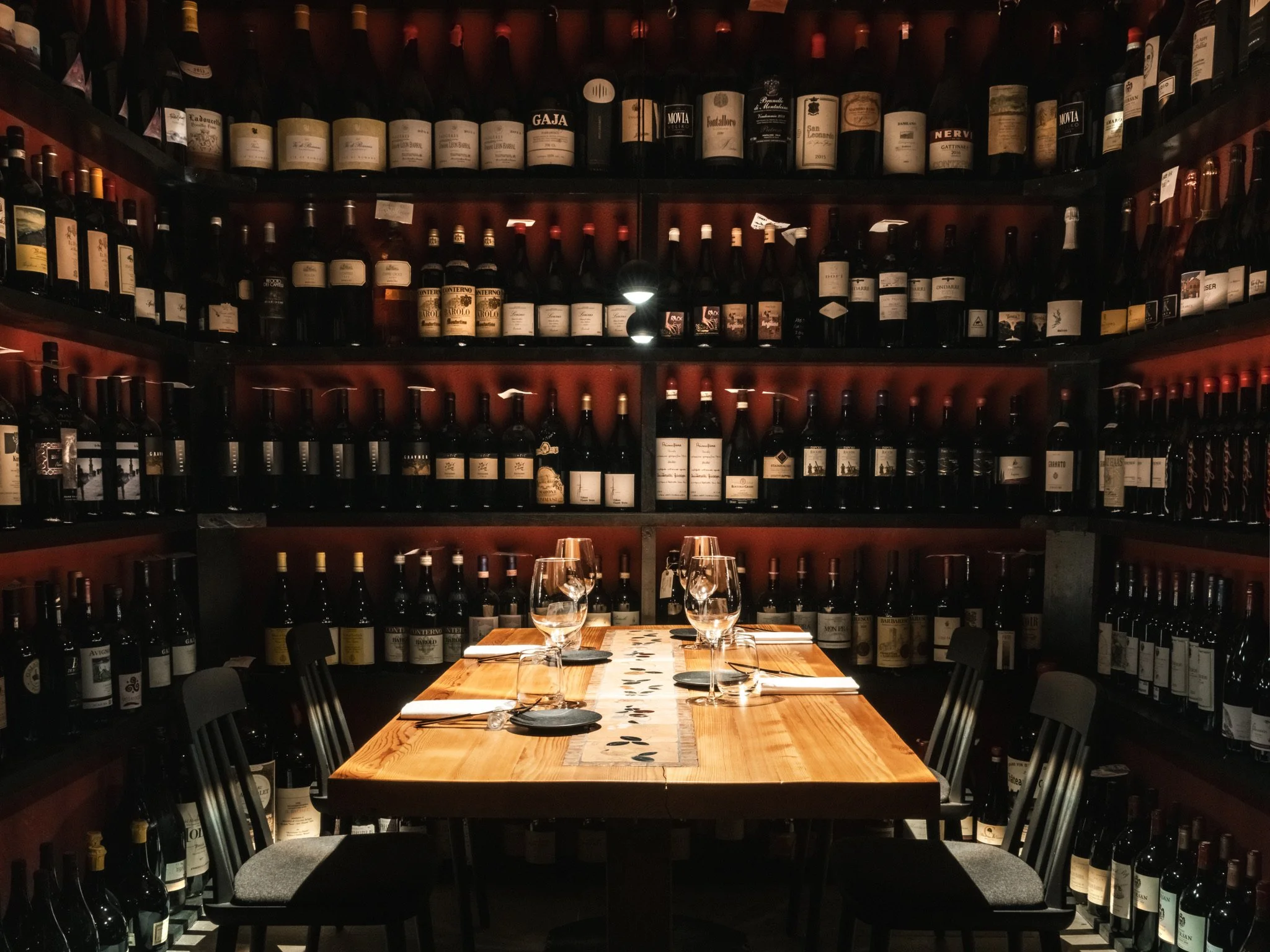
Inside the Cocun Wine Cellar, Ciasa Salares
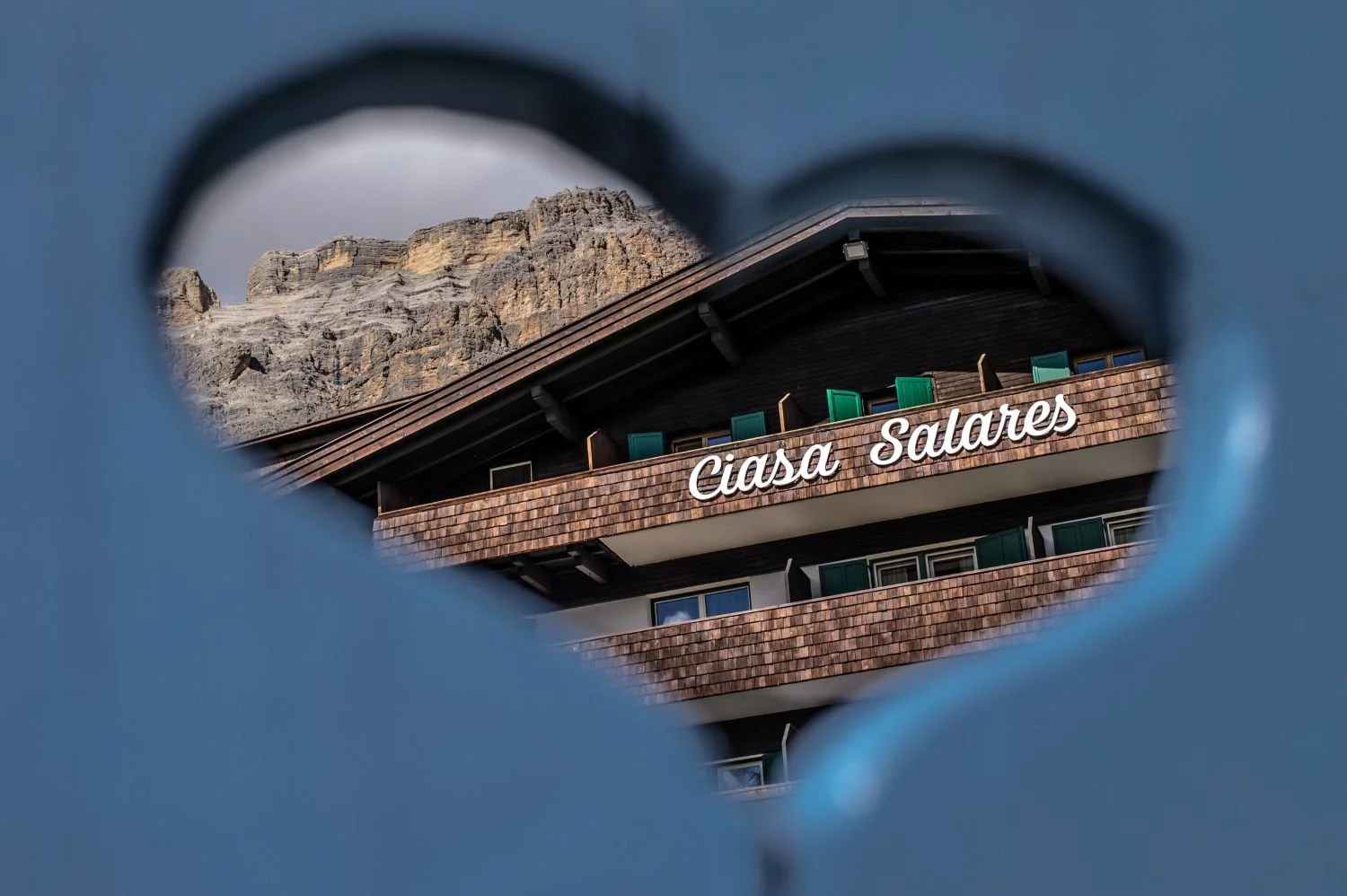
During my recent visit to the Dolomites, I spent an evening in the remarkable wine cellar at Ciasa Salares with Jan Clemens, the visionary behind the Cocun Cellar.
Over a bottle of natural wine and a plate of speck, we spoke about growing up in a family hotel, the philosophy behind his extraordinary wine cellar, and why the Dolomites may be even more magical in summer than in winter. Read on for the full interview…
You grew up inside Ciasa Salares, the hotel your grandfather founded. What are your earliest memories of hospitality here, and how have those childhood impressions shaped the way you welcome guests today?
Yes, I grew up in the hotel, and from a very young age my life was deeply shaped by being surrounded by hospitality every day. It wasn’t something abstract that I observed from a distance — it was simply the environment in which I lived.
My grandparents were always present in the hotel and dedicated themselves completely to the guests. Hospitality for them was never a job; it was a way of life. Growing up in that atmosphere naturally developed in me a strong sensitivity to the needs of our guests.
Over time I realized that true hospitality goes beyond being professional or service-oriented. It becomes something instinctive, something that is simply part of who you are. I believe this is something that defines our whole family today.
Some of my earliest memories are actually connected to the friendships I made with the children of our guests. Many of those friendships lasted over the years, and some of them are still very meaningful to me today.
Perhaps this is why we have a very particular view of hospitality. For us it is something deeply personal, never corporate. Our guests are not numbers — they are people, relationships, stories.
In an industry that is increasingly driven by scale and efficiency, I think that kind of personal hospitality is becoming rarer, and maybe that is precisely what makes it so important today
Your grandmother rose at 6am to bake cakes and prepare homemade jams for breakfast. Which of her recipes still lives on at the hotel, and is there one cake in particular that feels like the “alpine soul" of Ciasa Salares? Is there a chance you could share the recipe? Now you have a fantastic and talented pastry chef, Laura, who creates the most exquisite cakes, desserts and pastries. We look forward to tasting her sweet creations every time we stay at Ciasa Salares.
Yes, one of my strongest memories is of my grandmother waking up very early in the morning and going down to the kitchen — sometimes still in her pajamas — around six o’clock to prepare homemade jams for the guests. It’s an image I still think about almost every time I walk past the kitchen.
Baking cakes was something she did purely for pleasure. She never set aside a specific moment of the day to bake; whenever she had a little bit of time, she would simply decide to make a cake.
She made many different ones, and they were all incredibly good. The funny thing is that most of her recipes were never written down properly. She cooked almost entirely from memory and intuition — a handful of this, a little more of that — always by eye. Occasionally she would jot something down on a piece of paper, but the instructions were often very imprecise.
Because of that, even today we have never been able to recreate her cakes exactly as she made them.
Her most legendary cake was without doubt the Linzer Torte, which we still serve today. Our pastry chef Laura prepares a beautiful version of it — she does it perfectly — but as you can imagine, there is always that small magical element that only a grandmother can bring.
I would be happy to share the recipe with you, but I must warn you: it will only give you the broad outlines. Recreating the exact result is almost impossible.
We agree that hospitality is changing. What does meaningful hospitality look like today, especially in a mountain village like San Cassiano? Is it more about experience, sustainability, community, a sense of place? How do you balance evolution with tradition?
Yes, the world of hospitality has changed significantly in recent years, especially after Covid.
I think guests today are searching for something more genuine — experiences that feel sincere rather than overly constructed. People are increasingly sensitive to authenticity. They want attentive service, of course, but they also appreciate warmth: staff who are friendly, approachable and naturally welcoming, while still being efficient and professional.
In a place like Alta Badia, which in many ways feels like a small island of calm in a very complex world, hospitality also means giving people the opportunity to slow down. Guests come here to disconnect, to relax, to be surrounded by the beauty of the mountains and to enjoy the kind of human connection that a family-run hotel can offer.
Sustainability is also a very important value for us. But it should not just be a concept or a trend — it needs to be something genuine and integrated into the way a place operates.
When sustainability is approached in the right way, it benefits the entire community. And ultimately that also improves the quality of hospitality itself — the well-being of the people who work with us, the efficiency of what we do, and the overall harmony of the experience we offer to our guests.
How do you personally put your own stamp on Ciasa Salares while staying true to your grandparents’ vision of guests feeling like they are in the home of a generous friend rather than in a hotel? What makes a place to stay truly exceptional?
This is actually quite a difficult question to answer, but there is something that has always been very important in our family: each member of the family has had a space within the hotel where they could express their own passions and creativity.
For me, that space naturally became the wine cellar and Cocun. It is where I have been able to build something that truly reflects my personal interests and vision.
But this idea existed long before me. My grandfather expressed it through his passion for speck and cured meats, my grandmother through her cakes and the warmth of the aperitivo. My father created La Siriola and developed the gastronomic side of the hotel, while my mother brought her creativity through decoration and atmosphere.
In many ways, the identity of Ciasa Salares is built from these different passions. What gives the hotel its character is not a single vision, but the combination of what each generation has loved and wanted to share with our guests.
I think this is also what makes a place truly special: when the people behind it are not just running a hotel, but sharing a part of themselves.
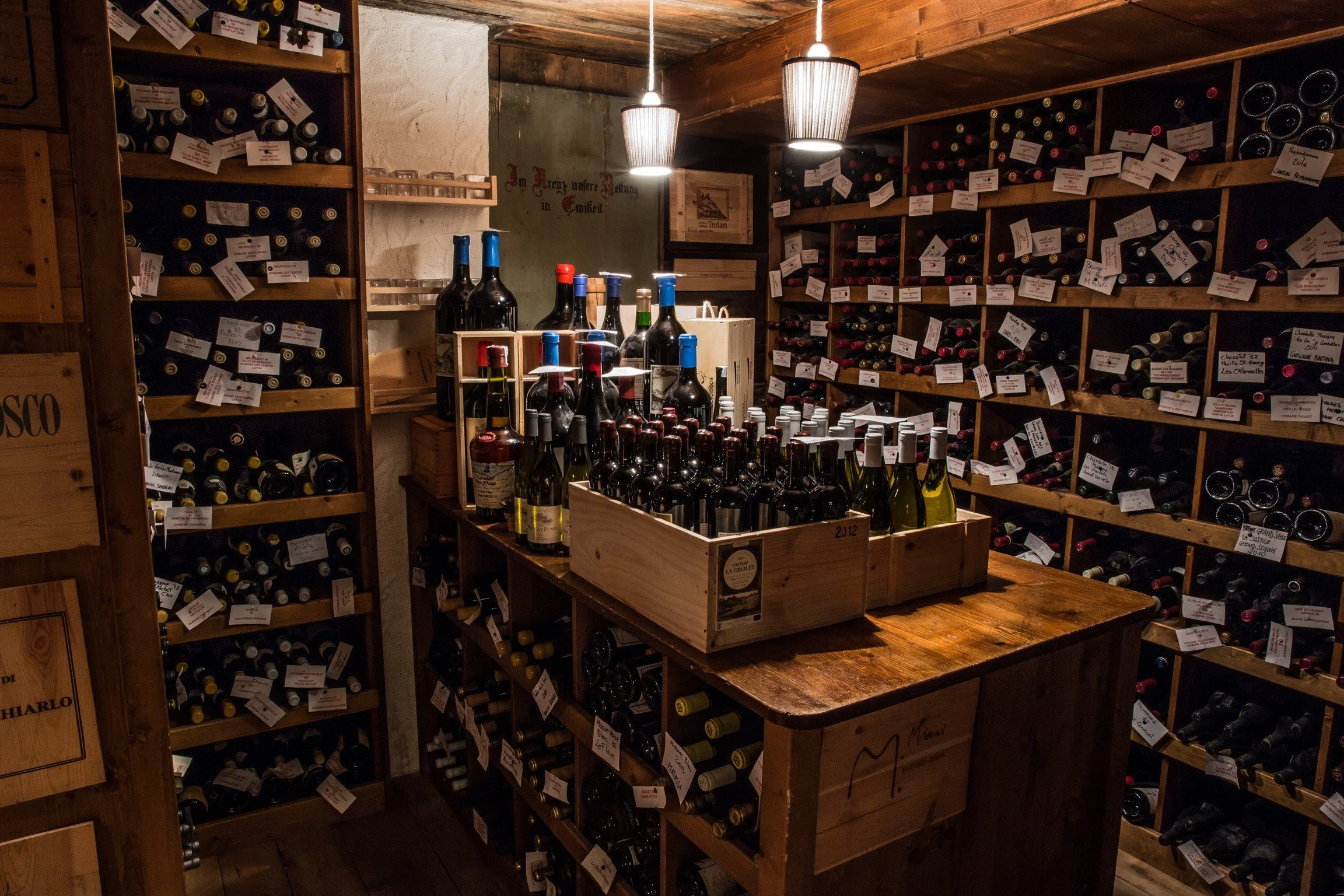
The wine cellar here, Cocun, is considered one of the finest in Italy. What defines great wine curation for you? Is it about rarity, emotion, terroir, storytelling, or something else entirely?
I actually don’t think our wine list should be placed within traditional rankings of the “best cellars in Italy,” because our selection is far too personal and unconventional to be compared in that way.
For me, a wine list — much like hospitality itself — should be the result of a personal journey of discovery. Today it is increasingly common to find wine lists filled with famous labels and prestigious names offered at very high prices. In a way, that is the easy route. It is always relatively simple to spend a lot of money and drink well.
What truly makes the difference is finding the right bottle at the right moment — wines that carry intrinsic quality but also human value. Behind every bottle there is a person, a story, a philosophy, and being able to share that story with the guest is incredibly important.
For this reason we have focused much of our selection on small producers. We love giving a voice to wines that might otherwise remain in the shadows, rather than simply repeating the same well-known labels that large wineries promote through marketing and large-scale production.
In many ways our cellar is special precisely because it is not immediately easy to understand. It requires conversation. It requires the presence of a sommelier or an innkeeper who can guide the guest — not only explaining the wine itself, but also sharing the philosophy and the people behind it.
Trentino-Alto Adige wines are shaped by altitude, Alpine air and long winemaking traditions. Beyond clarity and balance, what do you think truly distinguishes these wines from other regions?
South Tyrol is an incredibly eclectic wine region, perhaps more than almost any other in Italy.
Within a relatively small area we are able to produce powerful red wines, very light and elegant reds, and some of the finest Pinot Noir in the world. The diversity comes largely from the landscape itself: vineyards planted at very different altitudes and the constant influence of Mediterranean air currents that travel through our valleys.
One of the most important elements is the strong temperature variation between day and night. These dramatic shifts allow the grapes to develop intense aromatic expression while maintaining freshness and salinity on the palate — a combination that is quite rare. This is one of the reasons why South Tyrol produces some of the most exciting white wines in Italy.
Another defining characteristic of the region is the remarkably high average quality of the wines. Even at a basic level, the standard is consistently very strong.
At the same time, the region is still quite traditional in its approach. Personally, I sometimes enjoy producers who push boundaries a little more — and the few who do are certainly represented on our wine list. But overall, I believe the potential of South Tyrol as a wine region is enormous, and it still has plenty of room to evolve in the future.
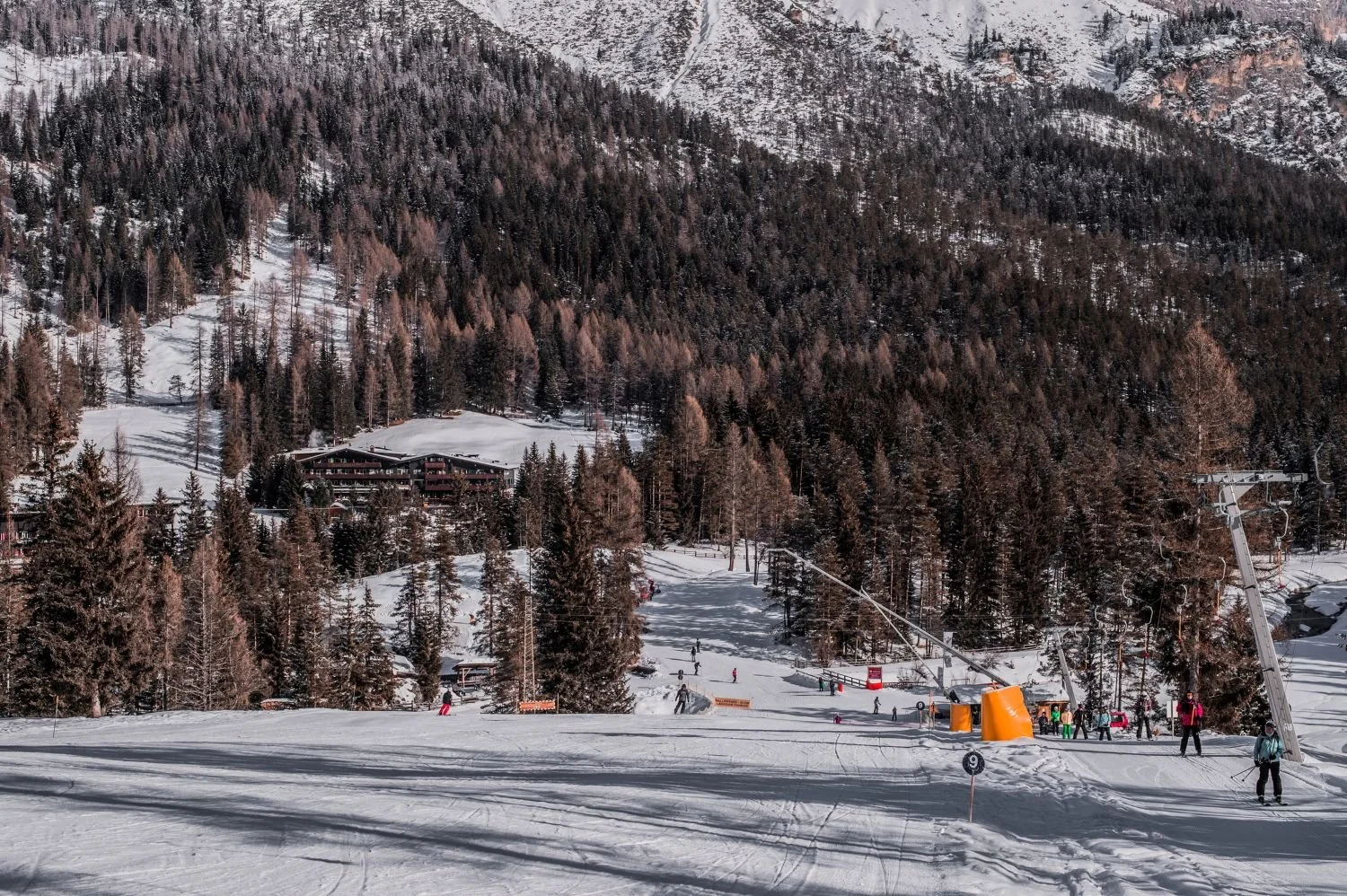
Schiava is your favorite local red grape. What makes it so compelling to you, and which dish from the region would you most love to pair with a beautiful bottle from producers like Reyter, Dornach or Weingut Prazegg?
Schiava is a grape I love very much, partly because for many years it was deeply underestimated. With the rise of international varieties from the 1980s onwards, many vineyards were uprooted and the grape was produced less and less.
However, the producers who truly believed in Schiava and continued to cultivate it have today some incredibly old vineyards, and those vines are capable of producing wines of remarkable elegance. The best examples are vibrant, beautifully balanced, with great acidity and tension.
Some Schiava wines can even approach Burgundy in terms of finesse, subtle tannin structure and complexity — something that surprises many people who still associate the grape only with simple, light wines.
One of the most extraordinary examples in my opinion is the Schiava from Reyter: produced from nearly one-hundred-year-old ungrafted vines near Lake Caldaro, from only a handful of rows. It is a wine of just 11.5% alcohol, yet it has a depth and richness that can rival much more powerful wines.
It remains an underrated grape, but one with enormous potential — and one that can age beautifully as well.
The perfect pairing for Schiava, however, is wonderfully simple: the classic farmer’s snack from South Tyrol — a piece of Pücia bread, some speck, fresh horseradish and a few pickles. That combination captures the spirit of the region perfectly.
We both share a love of natural wines, including Partida Creus XL Xarel·lo, the superb Pet Nat we enjoyed together. What draws you personally to natural wines? Is it the purity, the unpredictability, the philosophy behind them?
Drinking natural wine is a little like listening to a jazz jam session.
It exists outside of strict rules and expectations. You never know exactly what will happen, and that is part of the beauty of it. Natural wines invite interpretation — every person can experience them in a slightly different way.
To me they often feel more deeply connected to the territory where they are made, and they can transmit emotion in a very direct way. Sometimes they may appear a little less precise or polished than conventional wines, but those imperfections are also what make them feel more human.
When I drink natural wine, I often feel that it reflects the presence of the person who made it — almost like an extension of the winemaker working in the vineyard.
And then there is also a very practical side: the next morning usually tells you a lot. Natural wines tend to feel lighter, cleaner, and far less tiring than heavily manipulated wines.
The wines of Partida Creus, especially those made by Antonella and Massimo, are among my favorites. I had the chance to visit their winery in Penedès, and I was truly impressed by their vision and by what they have managed to achieve there over the past twenty years. Their work is remarkable.
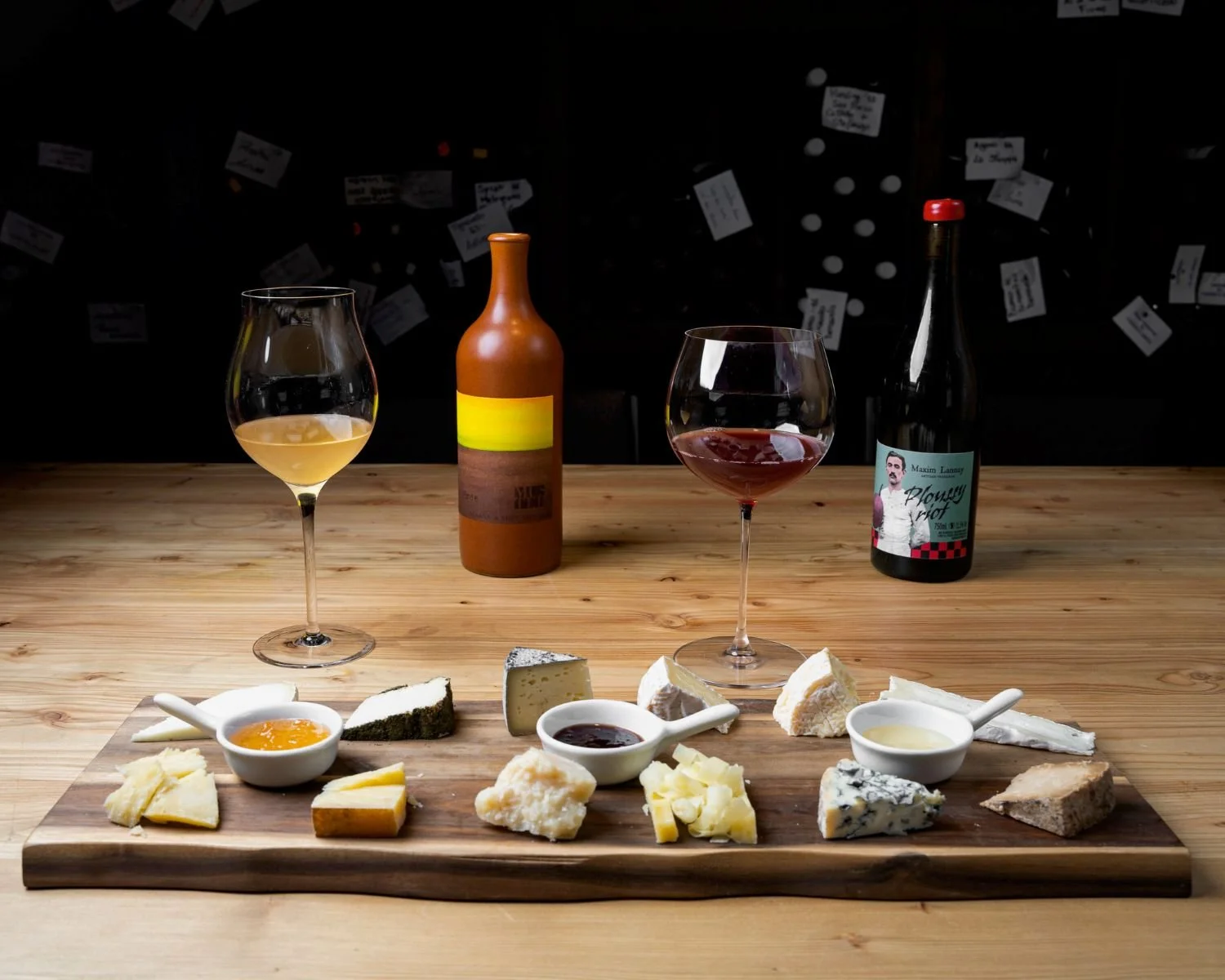
The NIDA Cheese Room is unlike anything most guests expect to find in a mountain hotel. What inspired your family to dedicate an entire space to raw-milk cheeses?
The idea of dedicating an entire room to cheese actually started from a simple question we asked ourselves years ago.
What happened to the great cheese services that used to exist in fine restaurants? The large trolleys filled with beautiful cheeses that would arrive at the end of a meal and offer guests a moment of discovery.
Over time we noticed that this tradition was slowly disappearing. So we thought: instead of a trolley, why not elevate the experience and dedicate an entire space to cheese?
Today in the NIDA Cheese Room we usually present around sixty raw-milk cheeses sourced from across the Alpine regions. It’s a carefully curated selection of some of the finest cheeses from Italy, France and Switzerland.
For me, the possibility of ending a meal with a truly great cheese selection is a very powerful statement about a restaurant’s philosophy. It reflects not only the quality of the ingredients, but also the sensitivity and care behind the overall selection.
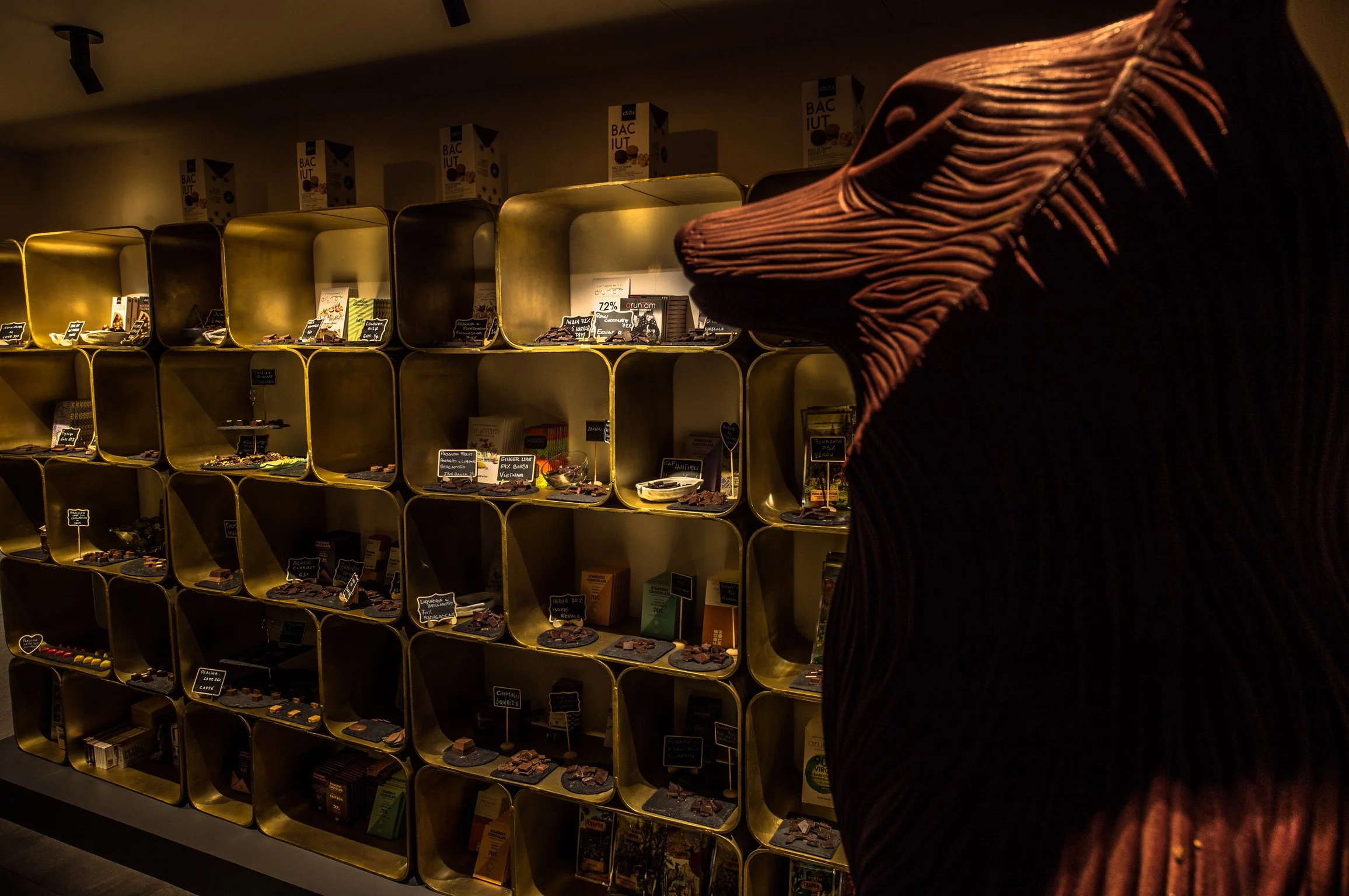
The NODLA Chocolate Room feels like stepping into a grown up Willy Wonka factory. Why was it important for your family to create a space dedicated to artisan chocolate in such a serious, global way?
Chocolate, like wine, is the result of fermentation, so in a way it felt very natural for us to dedicate a space to chocolate within the cellar.
Today our NODLA Chocolate Room presents around 150 different varieties. Part of the selection is dedicated to pralines, gianduja, filled bars and other creations more closely connected to the world of pastry. But more than half of the collection focuses on dark chocolate bars produced in Italy using cacao sourced from different regions around the world.
We have placed a great deal of attention on the quality of the cacao itself, and many of the bars in our selection are made from 100% Criollo beans, one of the rarest and most prized varieties.
Another important aspect for us is sustainability. Almost all the chocolates we present follow a bean-to-bar philosophy, meaning the entire process — from cacao bean to finished chocolate — is carefully controlled with attention to origin, transparency and ethical production.
For our guests, entering the chocolate room and discovering an entire wall dedicated to these bars becomes a very special moment. When someone can guide you through the different origins, production techniques and flavour profiles, it becomes a cultural experience as much as a gastronomic one.
And of course, the experience becomes even more interesting when you discover that the chocolate can also be paired with the more than 200 spirits we keep in the adjoining room.
You’re deeply passionate about both wine and music (and also enjoy a bit of DJing in the summers, I believe?). In your mind, how do they connect? Do they share a similar language of rhythm, structure and emotion?
For me the connection between wine and music feels very natural.
A dinner without music can quickly feel heavy, and a dinner without wine hardly feels complete. The two simply belong together. In many ways, they have always been connected throughout human history — moments of gathering, sharing food, drinking wine and listening to music have always gone hand in hand.
I also find it very interesting to think about pairing certain styles of music with particular wines. Different wines carry different rhythms, moods and energies, and sometimes music can enhance that experience in a very subtle way.
At Cocun we have already organized a few evenings dedicated to wine and vinyl, which were incredibly fun and relaxed.
Personally, I have always had a strong passion for discovering music and selecting tracks in a very eclectic way — I really listen to everything. When I was around seventeen or eighteen, I used to DJ quite often, sometimes even on terraces during the summer.
Today I am a little calmer about it and mostly focus on collecting vinyl records, but the connection between wine, music and atmosphere remains something I love very much.
Many people associate Alta Badia, and the Dolomites in general, purely with skiing and winter sport, yet summer here is extraordinary. What do you love most about Alta Badia in the warmer months, and why should travelers consider exploring the region outside ski season?
The summer season in Alta Badia is growing very quickly, and I truly believe that in the future it could even become as important as the winter season.
In summer the region offers an incredibly wide range of experiences: climbing, trekking, e-biking, mountain biking, road cycling — the possibilities are almost endless. It is also much easier to explore the Dolomites by car, moving from one valley to another and discovering many different landscapes along the way.
Another great advantage is that in summer you can access natural parks that are often difficult or impossible to reach during winter. These areas contain some of the most magical and untouched places in the entire Dolomite range.
And then there is the Enrosadira, the natural phenomenon that turns the mountains a deep red at sunset. In summer this effect is particularly intense. After a long hike, simply watching the mountain behind Ciasa Salares slowly turn red as if it were catching fire is something truly unforgettable.
There is also another aspect that makes Alta Badia very interesting in summer: most people visiting Italy at that time are traveling through several destinations. They might visit Lake Como, Lake Garda, Venice, Milan or Verona — and within just two or three hours of driving they can reach the Dolomites.
Spending a few days here offers a completely different experience: nature, space, fresh air and a sense of calm that is increasingly rare in many parts of Italy during the summer months.
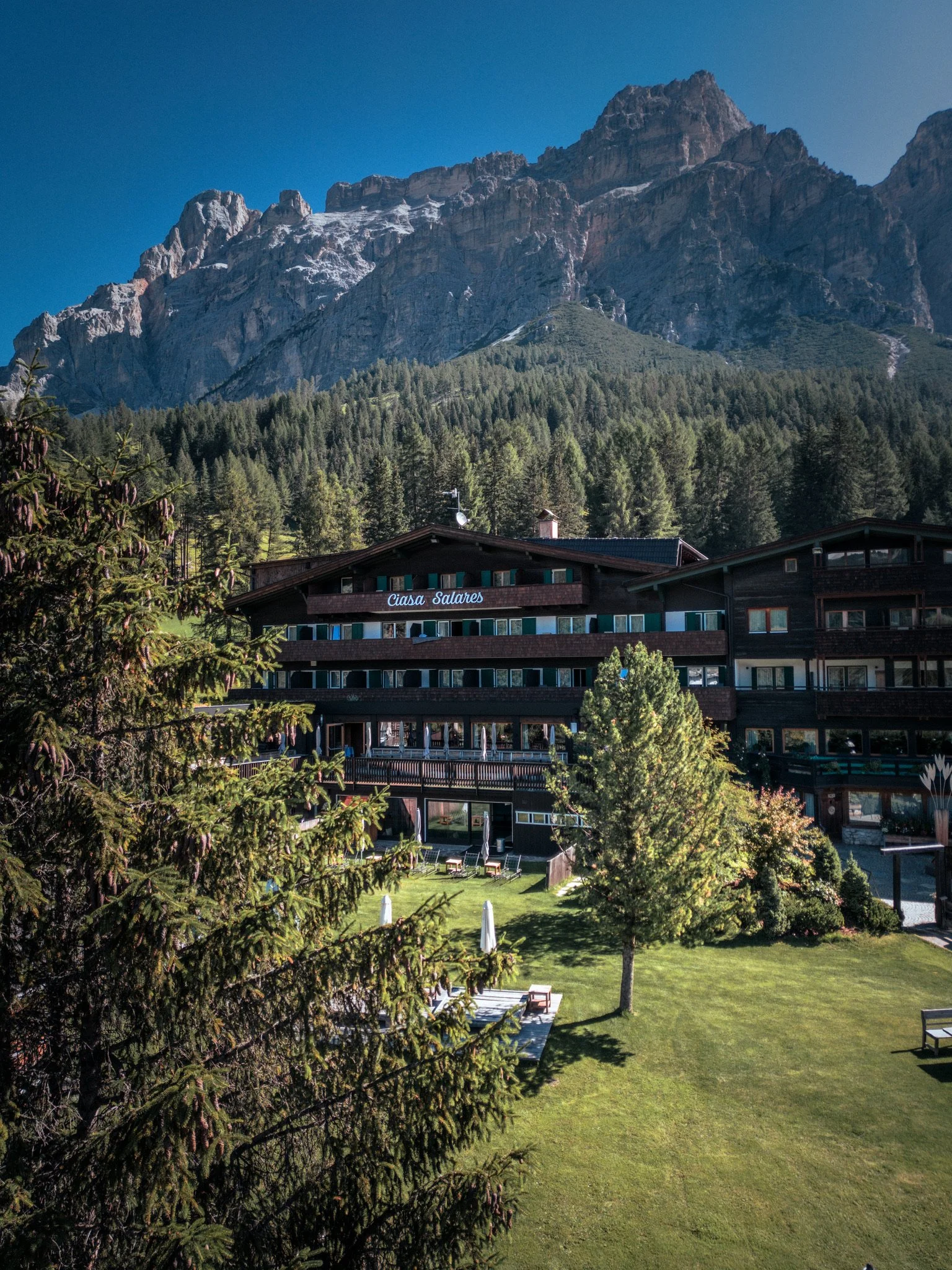
For someone visiting the Dolomites for the first time, what are your essential experiences? Where should they hike, eat, or simply pause and take it all in? What’s one experience in this region that most visitors overlook but shouldn’t, in winter or summer or both?
For someone visiting the Dolomites for the first time, I think it is important to experience a few key aspects that help reveal the uniqueness of this region.
First of all, I believe it is essential to understand the historical dimension of the mountains. Visiting the Lagazuoi area, where many battles of the First World War took place, offers both a powerful historical perspective and one of the most spectacular panoramic views over the Dolomites. It is also a place where you begin to understand the extraordinary geology of these mountains, which are composed of a very unique rock rich in magnesium and calcium.
Another important aspect is experiencing the particular atmosphere of Alta Badia itself — a culture where Italian hospitality meets a kind of Austrian efficiency. In a way, it feels Italian in spirit but functions with an almost Alpine precision, which is a very special combination.
In winter, the quality of the skiing here is truly exceptional. The infrastructure, the lift systems and the overall food and beverage culture on the mountains make the experience quite unique.
In summer, on the other hand, the freedom to move around and explore the valleys by car or on foot allows you to discover places that are often inaccessible during the winter months.
I would also strongly recommend trying the traditional Ladin cuisine, ideally in an old mountain farmhouse. It is one of the best ways to understand the culinary traditions and the history of the region.
Finally, there is one experience that many visitors overlook but that I find extremely meaningful: discovering Ladin culture itself. I would always suggest visiting the Ladin Museum in San Martino to understand the history of this language and this culture. It gives a much deeper perspective on the region.
The Dolomites are not only beautiful — they are also a land with a very rich cultural heritage.
Which local restaurants or rifugios do you personally return to again and again with friends and / or family?
There are quite a few places in the Dolomites that I return to again and again with friends and family.
One of my absolute favourites is Rifugio Scotoni, located along the Hidden Valley route between Lagazuoi and Armentarola. It’s a family-run mountain hut where Christian and Manuela do an incredible job. In my opinion, they serve one of the best mixed grills you can find anywhere in the mountains.
I also love going to Punta Trieste, where Petra has created a place with a lively, festive atmosphere, a strong wine list and a very enjoyable energy. It’s one of those mountain places where people genuinely have fun. Nearby, her brother Luca runs Ursus Ladinicus, another place where I always enjoy going back, both for the atmosphere and for the food and wine.
When I’m in the mood for something a little more modern and refined, I love going to Enrico Vespani at L’Osti in Corvara, or to his mountain restaurant Col Alto, which he runs together with Fabio Targhetta. Both places offer beautiful contemporary cuisine in extraordinary surroundings.
Another place I really enjoy is Edelweiss in Colfosco, where Gigio prepares excellent food, and also Crëp de Munt, where you can experience a more authentic and local style of cooking on a beautiful terrace.
A special mention should also go to Lüch Alfarëi, above Badia — a truly wonderful place where you can experience historical, authentic Ladin cuisine in a farmhouse setting full of character.
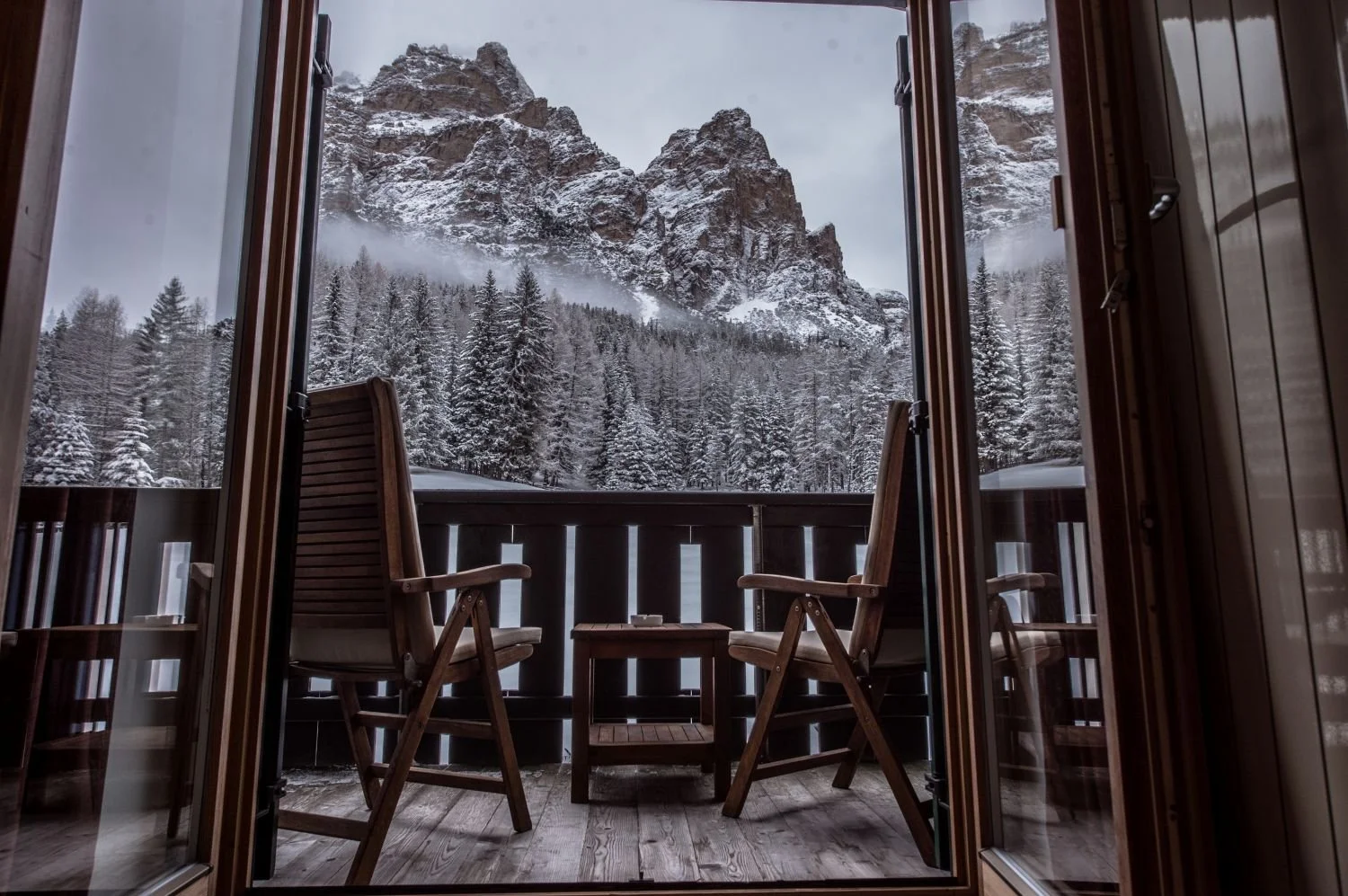
When you’re not in the cellar or thinking about pairings, how do you spend a perfect day off in the Dolomites? If it sometimes includes music and wine, what’s playing in the background and what are you reaching for in the cellar?
A perfect day off in the Dolomites depends a little on the season.
In winter it means spending the entire day skiing — enjoying the mountains from morning until late afternoon. In summer it’s more about heading into one of the natural parks, hiking through the landscape and spending the day exploring these incredible mountains.
But of course, the day always needs to end with a good meal. That might be a long lunch at a mountain hut or dinner back in the valley.
Personally, I have a great passion for barbecue. In front of the hotel we built a small outdoor kitchen where I sometimes go to light a fire and cook directly over the flames. Sitting there by the fire, under the stars, with a bit of music playing in the background is one of my favourite ways to spend an evening.
In that moment, blues music works perfectly with the atmosphere of the fire — and with a good bottle of Burgundy. It’s a combination that rarely disappoints.
Lastly, when you’re able to step away from Ciasa Salares and Cocun, where do you most love to travel, and when you do, are you still observing as a hotelier and wine curator, or can you truly switch off and simply be a guest?
The eye of a hotelier or restaurateur is something you never really switch off, even when you are on holiday. When I visit a restaurant it’s almost impossible not to notice certain details — the rhythm of the service, how a dish arrives at the table, the way wine is poured.
But at the same time it is very important to simply enjoy the experience. I would never go to a restaurant and complain because a dish arrives late or because the wine service is not perfect.
Quite the opposite. I try to appreciate the moment, explore as much as possible and taste new things whenever I can.
Travel is one of the best ways to learn. Everything I discover — a dish, a product, an idea — eventually becomes part of the inspiration that I bring back into my daily work at the hotel.
Among the places I love visiting the most, Paris is certainly at the top of the list. From a food and beverage perspective it is an incredibly dynamic city, constantly evolving with new restaurants, new ideas and exciting cuisines.
Spain is another country that has always fascinated me deeply. Some of the most memorable gastronomic and wine experiences of my life have happened there.
In the end, I think it also comes from approaching your work with a certain lightness. When your work is something you truly love, you don’t really need to switch it off. Visiting a restaurant, tasting a new wine or discovering a new ingredient naturally inspires me — and often leads to ideas that I eventually bring back to my own restaurant and hotel.
Photos: © Ciasa Salares and Bonnie Brayham